The history of philosophy is sometimes called the “history of…
View
This website doesn’t use many cookies but there are a few. Learn more. By clicking “Accept” you agree to the temporary storing of cookies on your device.
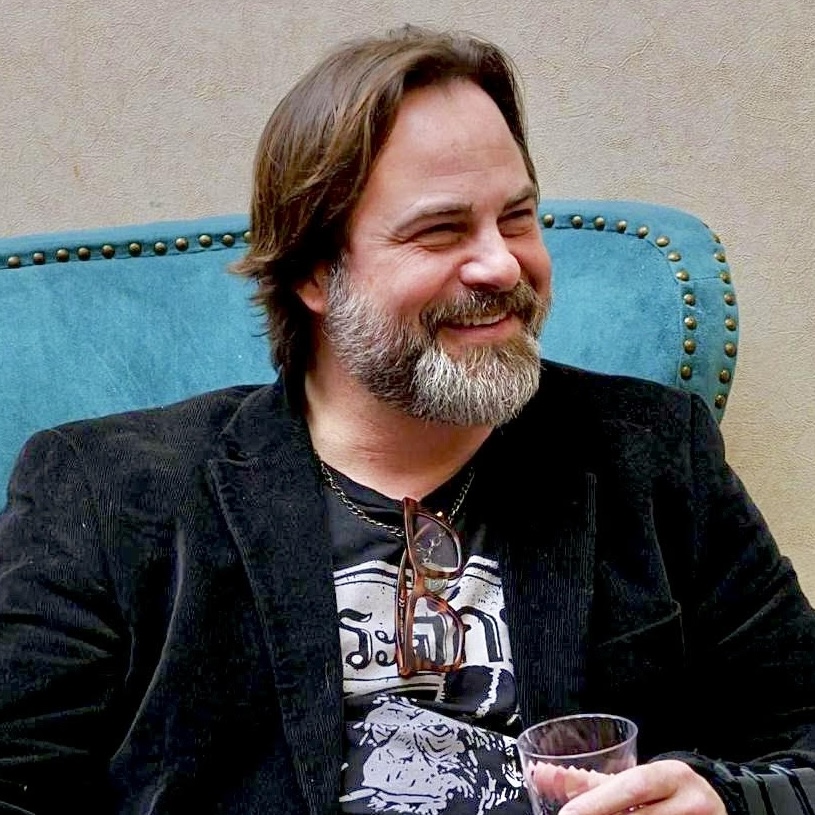
Pedro Carta is an educator, researcher, and applied ethics specialist working across the humanities, media, and social services. He has taught and mentored students in academic, community-based, and one-to-one settings, bringing a thoughtful, dialogue-driven approach to learning that emphasizes curiosity, reflection, and real-world relevance. Pedro’s teaching centers on helping students explore big ideas—philosophical, ethical, and scientific—while developing the habits of mind needed to think independently and with confidence.
I believe that philosophy is fundamentally a living discipline, designed to help us navigate the complexities of existence with clarity and resilience. While my primary expertise lies in Stoicism, my Ph.D. coursework at Ubiquity University has allowed me to expand my research into Buddhism, Hinduism, and other Eastern philosophies. I find deep value in comparative analysis between East and West, exploring how these diverse traditions often point toward a shared understanding (the Perennial Philosophy) of cosmic order and human flourishing.
Philosophy, for me, is presented as a bridge between the mind and the heart. Because Stoicism serves as the historical and logical root of Cognitive Behavioral Therapy (CBT), I treat philosophical study as a rigorous form of therapy for the body, mind, and soul. I do not merely teach students to analyze texts; I teach them to incorporate these concepts into their own lives. By integrating contemplative practices such as meditation and breathwork, I provide students with somatic tools to ground themselves. This practice helps students to transition from abstract cognitive analysis to a place of embodied presence and emotional stability.
Ultimately, my objective is to ensure that a student’s education is not a fleeting academic exercise but a grounded reality. By mastering the transitions between cognitive analysis and embodied wisdom, I empower my students to bridge the gap between peak intellectual experiences and the practical, everyday demands of a life well lived.

“I do not merely teach students to analyze texts; I teach them to incorporate these concepts into their own lives.”
