In this personalized Spanish 1 online course, you will be…
View
This website doesn’t use many cookies but there are a few. Learn more. By clicking “Accept” you agree to the temporary storing of cookies on your device.
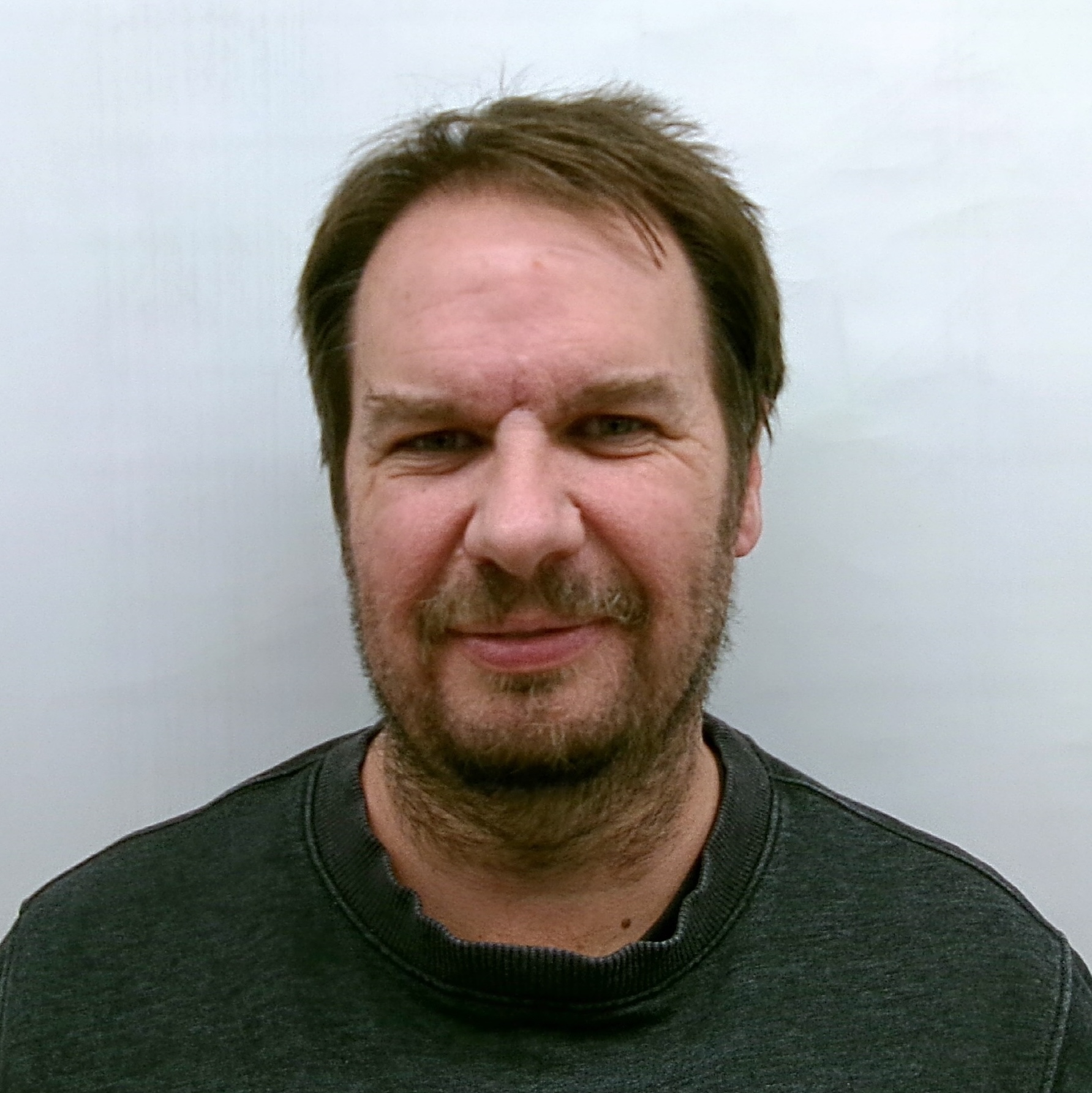
Jason Bush is an interdisciplinary humanities educator who brings a lifelong love of stories, language, and interpretation into every classroom conversation. With experience teaching at both the university and high school level, Jason has taught courses in theater history, multicultural theater, script analysis, Spanish language and culture, and English language arts. He is especially skilled at helping students make meaning from complex texts—whether they’re reading literature, analyzing culture, or building arguments through writing. Jason’s approach is highly dialogic and student-centered: he sees learning as an active investigation, shaped by curiosity, real-world questions, and the student’s evolving perspective.
The most important aspect of my teaching philosophy is that I seek to take things from where my students are at. I believe that the main goal of education is to support students in developing important learning habits and skills. Therefore, we have to approach the gaps in student learning with empathy, supporting students in addressing these gaps and allowing students to develop skills and competencies at their own pace.
Another important aspect of my teaching philosophy is student agency. The most important benefit of formal schooling for students is the opportunity to learn how to learn and to develop important habits for lifelong learning. I seek to explicitly teach students these learning habits and to instill in them the sense that while I am a supportive guide to help them meet their learning goals and acquire important skills and content knowledge, the level of proficiency in language and literary skills they gain from my courses depends far more on the level of commitment they demonstrate towards developing and practicing specific learning habits that are important for lifelong learning.
The final important aspect of my teaching philosophy is that I seek to make inquiry and project-based learning the center of my courses. In both World Languages and ELA I seek to make all course lessons and units based on a specific structure that allows students to engage in inquiry-based projects in a highly structured way. I explicitly frame the exploration of course content through reading and interpreting authentic texts as an investigation of a specific set of essential research questions. Students engage in textual interpretation across a number of different layers of exploring historical and cultural context, learning about the genre conventions of the specific kind of text, and engaging with themes and issues that serve as a bridge between the world of the text and the background and experience of the students themselves. After exploring the texts, students engage in interpersonal conversations with each other and with their teacher about the themes explored in the text, connections between the world of the text and the students own lives and other connections. Finally, students either respond to the themes and issues of the texts they have explored or use these texts as mentor texts in order to create their own real-world texts in oder to stage an intervention in the world.

“I seek to make inquiry and project-based learning the center of my courses.”
