Our personalized, one-to-one AP biology course offers a comprehensive exploration…
View
This website doesn’t use many cookies but there are a few. Learn more. By clicking “Accept” you agree to the temporary storing of cookies on your device.
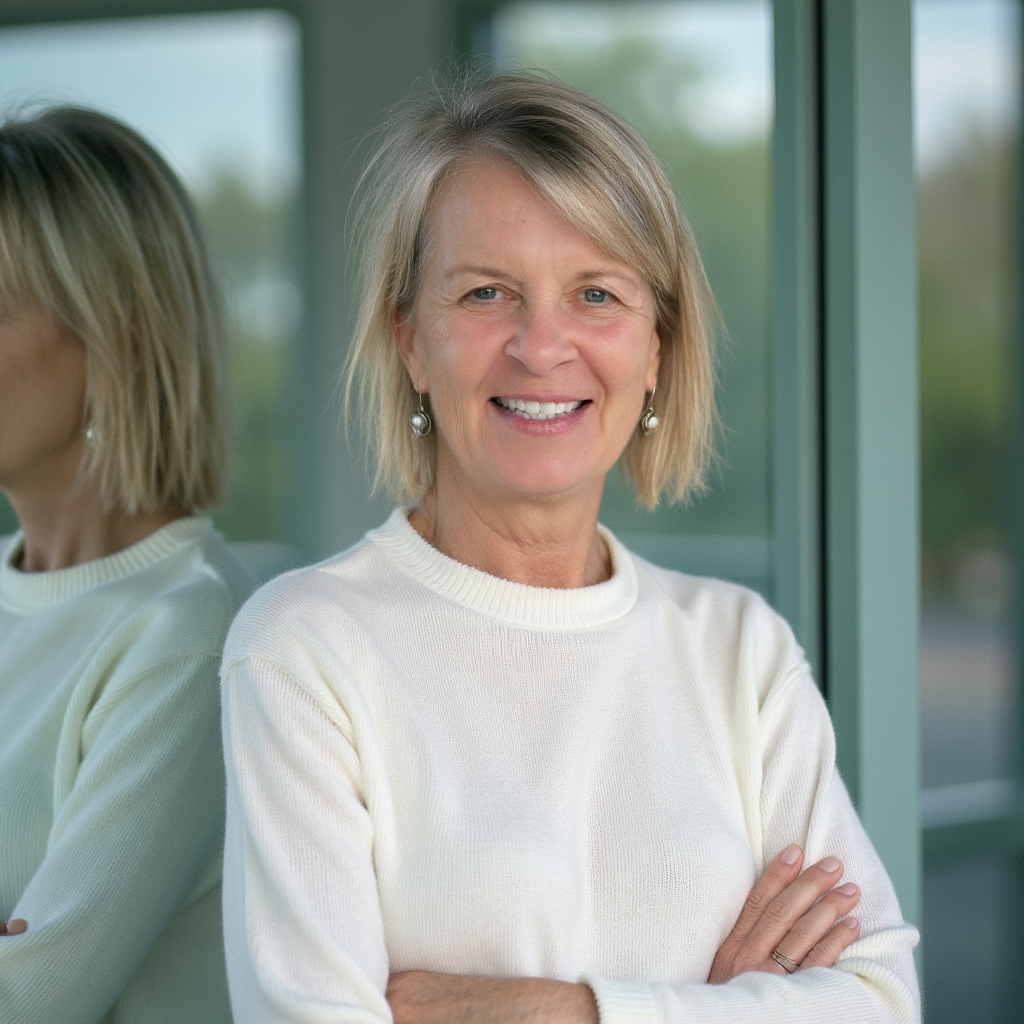
Elizabeth Dann (Liz) has spent more than three decades helping students discover the excitement of science through curiosity, exploration, and meaningful relationships. Throughout her career, she has taught biology, environmental science, health, and interdisciplinary science courses in independent schools across the United States, at an international school in Brazil, and in innovative virtual learning environments. Her teaching is grounded in the belief that students learn best when they are actively engaged in asking questions, making connections, and exploring the world around them. Whether working one-to-one with students or leading a classroom, Liz creates supportive learning environments that build confidence, foster independence, and encourage a lifelong love of learning.
My educational philosophy was shaped long before I had my own classroom. As a young field biologist and outdoor educator, I learned that science is fundamentally an act of inquiry. Scientists ask questions, gather evidence, revise their thinking, and often discover that the most interesting answers lead to even better questions. Those experiences convinced me that students learn in much the same way. Rather than simply receiving information, they develop lasting understanding when they investigate authentic questions, make discoveries for themselves, and reflect on what those discoveries mean. Whether students are working in a laboratory, exploring a local ecosystem, or learning virtually from home, I believe meaningful learning begins with curiosity and is sustained through inquiry.
I see my role as designing experiences that invite exploration, discovery, and reflection. Sometimes that means creating carefully structured investigations; other times it means stepping back and coaching students as they pursue questions that matter to them. My goal is not simply to teach biology, but to help students think like scientists—to observe carefully, analyze evidence, make connections across disciplines, and remain curious even when the answers are uncertain. Even in virtual classrooms, inquiry has remained the starting point. Students have investigated the chemistry of macromolecules by designing cookbooks that combined cooking, photography, and scientific analysis. Others have documented changes in local ecosystems by creating photographic essays and short documentaries, demonstrating that authentic scientific investigation can happen anywhere—from Las Vegas to Shanghai to rural Ohio.
Relationships are essential to this process. Students are willing to take intellectual risks only when they feel known, respected, and supported. I strive to create a classroom where every student is challenged to think deeply, where questions are valued as much as answers, and where mistakes are viewed as opportunities for growth. My responsibility is not to provide every answer, but to nurture the confidence and resilience students need to become independent learners. If my students leave my classroom with a stronger sense of curiosity, a deeper appreciation for evidence-based thinking, and the confidence to continue asking thoughtful questions long after the course has ended, I consider that my greatest success as an educator.

“I believe meaningful learning begins with curiosity and is sustained through inquiry.”
