Our online biology course offers a unique, personalized learning experience…
View
This website doesn’t use many cookies but there are a few. Learn more. By clicking “Accept” you agree to the temporary storing of cookies on your device.
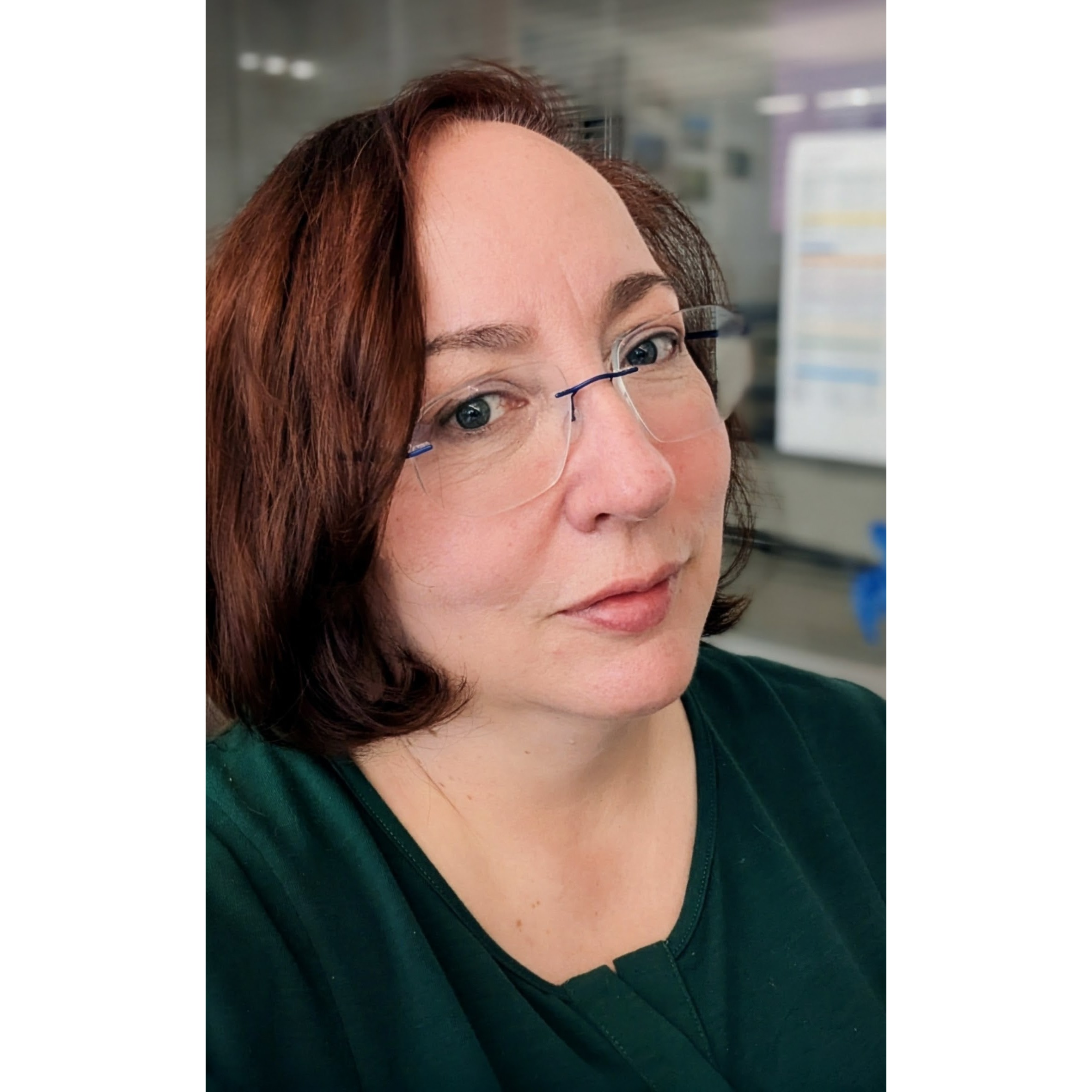
Genevieve is a science educator with more than thirty years of experience teaching secondary students and over five years teaching at the college level. She has taught across public school districts, higher education, and online learning environments, supporting students from middle school through graduate study. Her background spans biology, environmental science, oceanography, chemistry, earth science, and physical science, and she is known for helping students build deep understanding while developing confidence as independent thinkers. At the heart of her work is a belief that science education should be rigorous, relevant, and empowering.
I view teaching as a collaborative journey where the relationship between the teacher and student forms the foundation for meaningful learning. Regardless of the subject, connecting to students, understanding their needs, and supporting them as they grow are essential components of effective instruction. Over my 30 plus year career I have worked with learners of varying ages, economic backgrounds, social-emotional needs, and academic levels. I began my career teaching middle school science and health in a private school before moving to an inner-city high school, where I taught physical and biological sciences to students who were not always motivated to be there. After I earned my doctorate, I joined Concordia University, teaching graduate level education courses while I continued my work at the high school level. Across all of these levels, I have consistently found that students thrive when they feel seen, valued and supported, when they are offered multiple pathways to learn, and when they are given varied opportunities to demonstrate their understanding.
I believe in the power of hands on, minds on, real-world experiences. Learning is an active and reflective process. We cannot expect students to flourish in an environment where they are passive recipients of information only. They need opportunities to interact with content, process ideas in multiple ways and connect it to their own lives. For example, this year I am teaching Oceanography - a course I proposed, got approved for , and designed as a year long curriculum. I begin the course by connecting students to the history of human interaction with the Ocean. Students choose which cultures to investigate and how they will demonstrate their learning. Some choose to investigate a culture related to their own heritage; for instance, a group of students with Tongan roots created a digital presentation on the Polynesian people’s relationship to the ocean. Another student, whose background is Japanese, choose to focus on creating a physical poster about Vikings because he found that culture personally compelling. These choices empower students to take ownership of their learning and engage more deeply with the material.
When working with adult learners I have found that relevance is key. Teachers – whether practicum students, interns or novice educators – need to see how the course content will immediately enhance their practice. My work at the university level has allowed me to support the next generation of educators, a responsibility I value deeply. Topics such as classroom management resonate with new teachers. Anyone who has spent time in front of a classroom realizes quickly that if you cannot manage a classroom, it does not matter what you know about your subject matter. When working specifically with science teachers, sharing hands on activities that can be readily used creates a high level of interest.
Another essential aspect of my teaching philosophy is helping students evaluate information based on the reliability of its source. In an age where information is abundant and readily accessible, the ability to discern credible resources is crucial. In all research-based assignments, I require that students identify where they gathered the information from and that they can justify why that source is trustworthy. This practice not only strengthens academic skills but prepares students to navigate an increasingly complex informational landscape.
In conclusion, I have devoted over three decades of my life to the field of education because I believe it is one of the most meaningful fields one can choose. Society advances because we continue to build on the knowledge previous generations and teaching is the mechanism through which that knowledge is passed down. I am proud to be part of this very important profession, and I remain committed to fostering environments where all learners can grow and succeed.

“I believe in the power of hands on, minds on, real-world experiences. Learning is an active and reflective process.”
