Our personalize online Calculus course is designed for you based…
View
This website doesn’t use many cookies but there are a few. Learn more. By clicking “Accept” you agree to the temporary storing of cookies on your device.
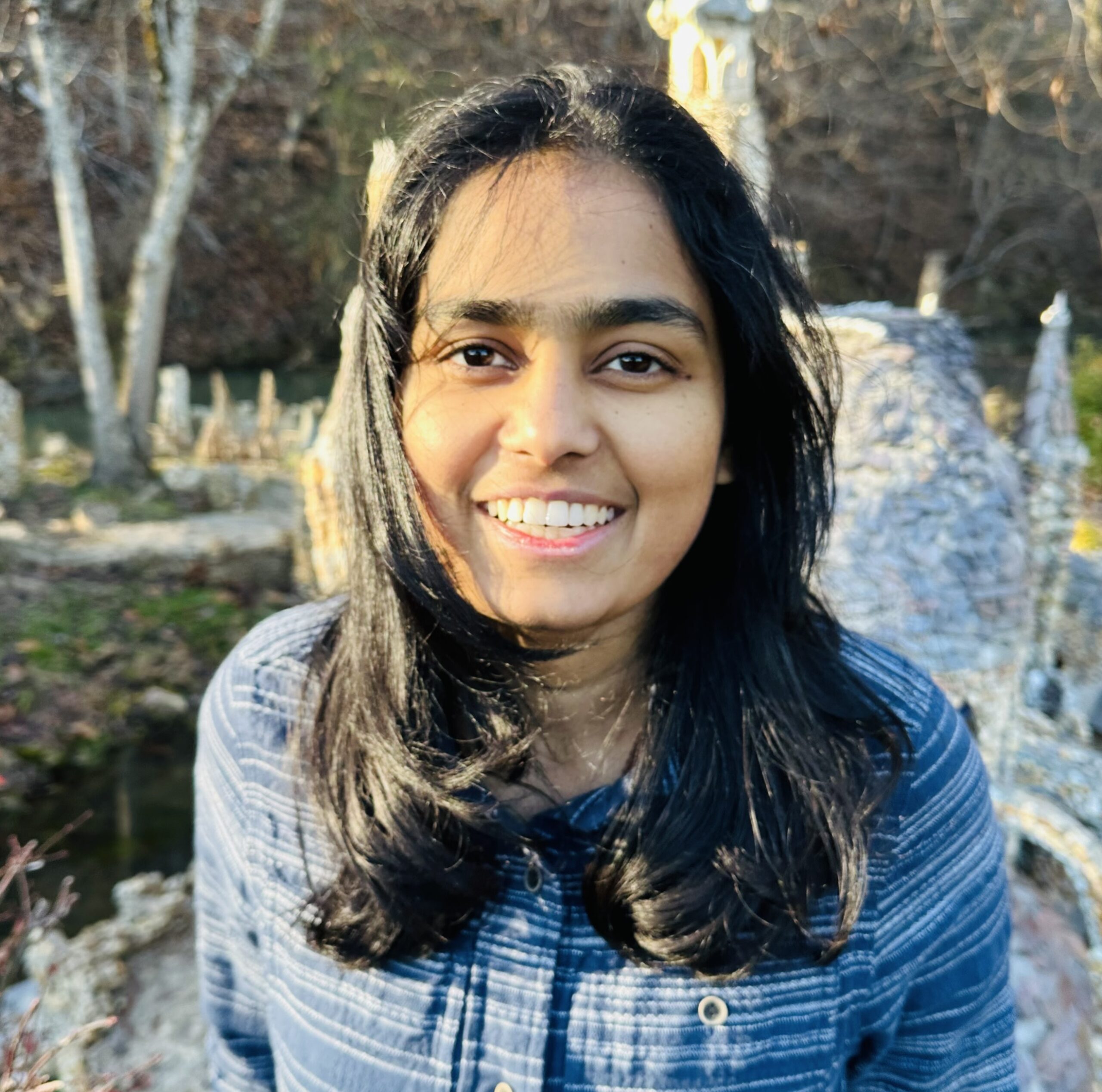
Gayathri Janakiraman Paramasivan, known professionally as JP, is an experienced STEM educator who specializes in mathematics and science for middle and high school students. She has taught in innovative online schools, programs for gifted learners, and independent schools, designing highly personalized learning experiences that combine academic rigor with curiosity-driven exploration. Whether teaching mathematics, earth science, or interdisciplinary STEM, JP believes students learn best by actively investigating meaningful questions, solving authentic problems, and discovering concepts for themselves. Her teaching is deeply student-centered, with an emphasis on project-based learning, individualized support, and helping students develop confidence as independent thinkers.
I believe students learn best when they act as scientists in the classroom — discovering, inventing, failing, and persisting through open-ended challenges. In my own practice, this has meant stepping back from traditional lectures to create space for projects like ZombieCure, where students explore neuroanatomy by designing solutions, or Drought Proof Rice, where they wrestle with genetics in a meaningful context. These kinds of experiences give learning purpose and allow every student to engage at their own depth, whether they dive into advanced extensions or build foundational understanding step by step.
I pay close attention to the full picture of each learner, including those who are twice-exceptional or need extra support with focus and emotional regulation. Drawing from the MindUP curriculum and my own classroom routines, I regularly include brain breaks and mindfulness moments so students can check in with themselves and advocate for what they need. This has helped me build classrooms where advanced content meets real care, where students feel safe taking risks, reflecting on their thinking, and growing not just in knowledge but in confidence and self-awareness.
Educational technology plays an important supporting role in my teaching, especially after my experiences shifting to virtual instruction and navigating pandemic-era learning. I use it to personalize pacing, provide immediate feedback, and connect students to interactive tools that make abstract concepts tangible. Whether in person or online, my goal remains the same: to spark genuine curiosity, relate science and math to everyday life, and help students see themselves as capable thinkers and doers who can contribute thoughtfully to the world around them.

“I believe students learn best when they act as scientists in the classroom — discovering, inventing, failing, and persisting through open-ended challenges.”
